
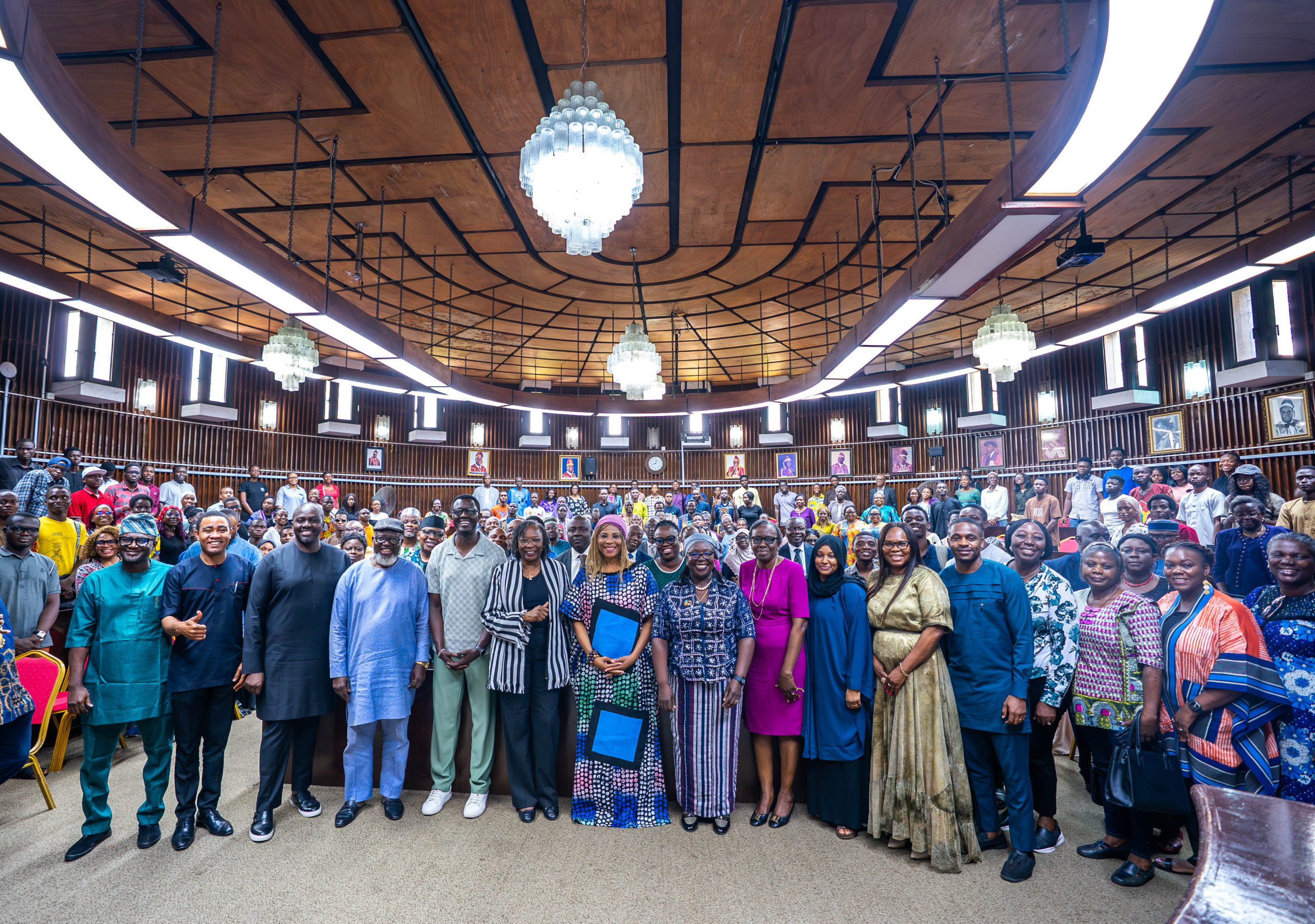
Artificial Intelligence Shaping the Future of Development
– A High-Level Panel Dialogue
Quick recap
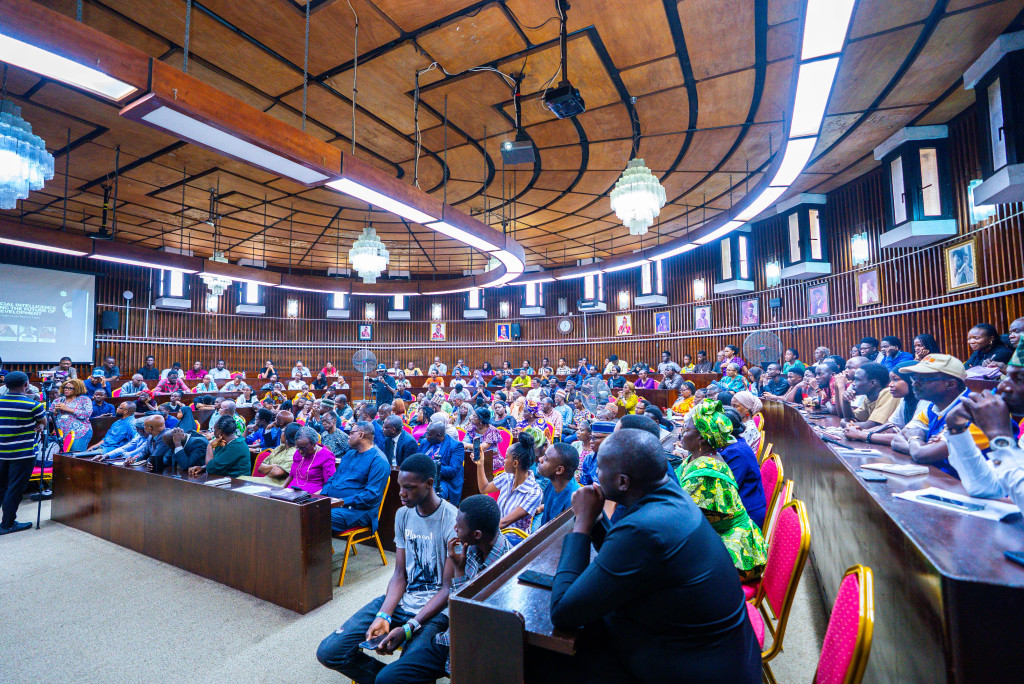
The meeting focused on the role of artificial intelligence in Africa’s development, particularly in education and technology sectors, with discussions on the potential benefits, risks, and challenges of AI implementation. Participants emphasized the importance of Africa developing its own AI solutions, owning its data, and integrating AI into curricula to avoid being left behind in the global digital economy. The conversation ended with calls for action to decolonize African minds, promote inclusive AI development, and position Nigeria as a leader in AI innovation through various initiatives and collaborations.
AI’s Role in Africa’s Future
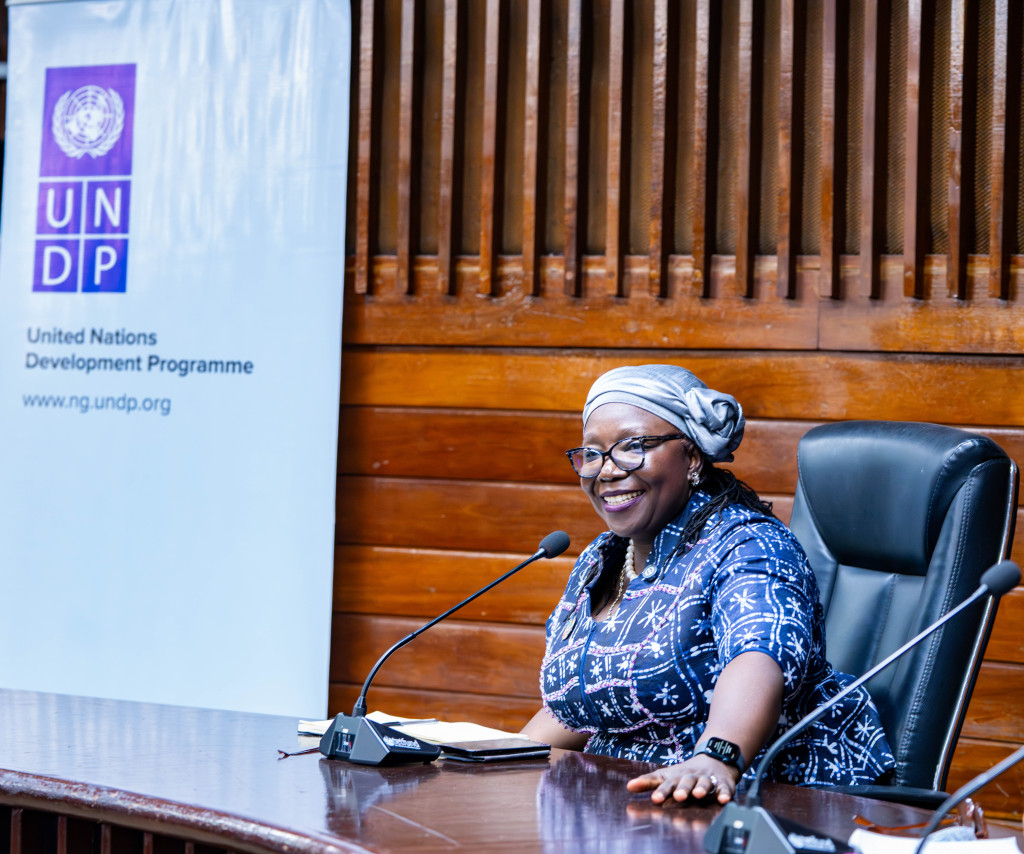
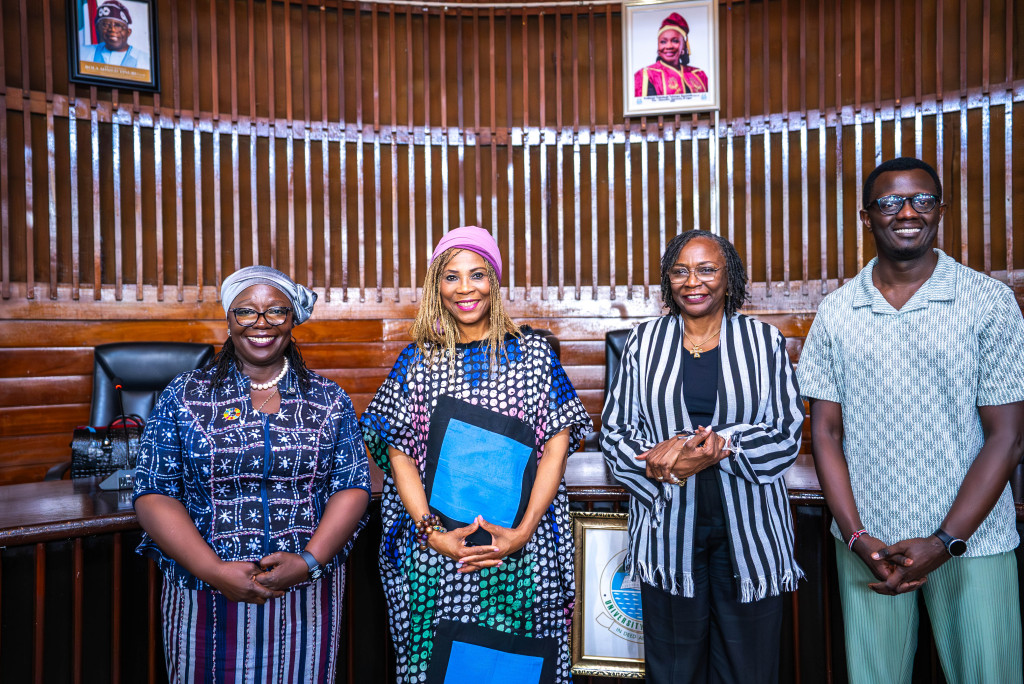
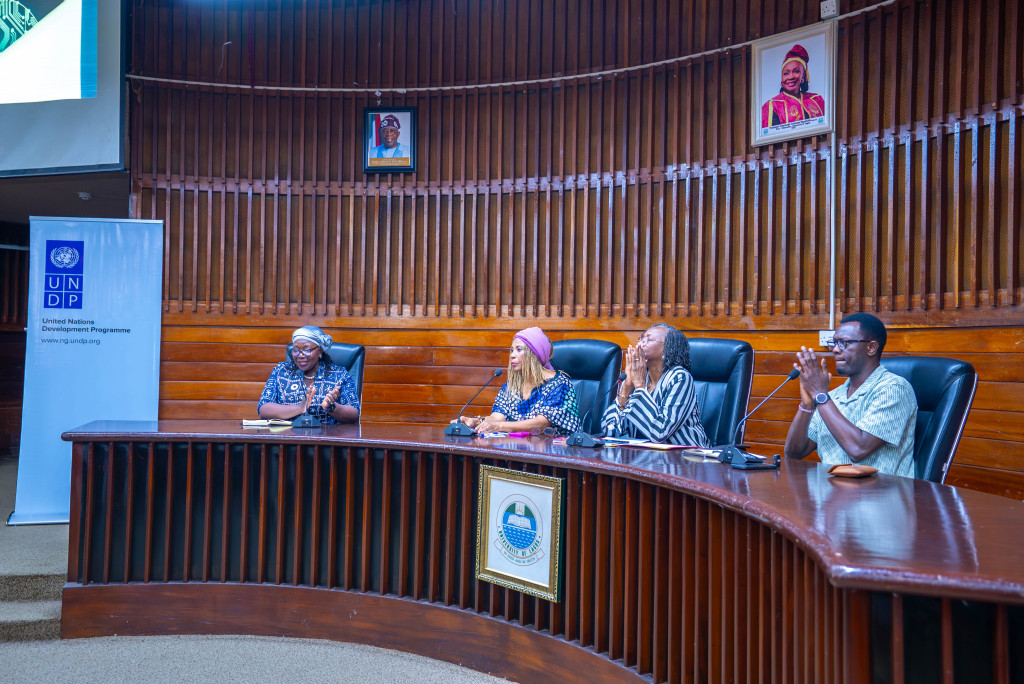
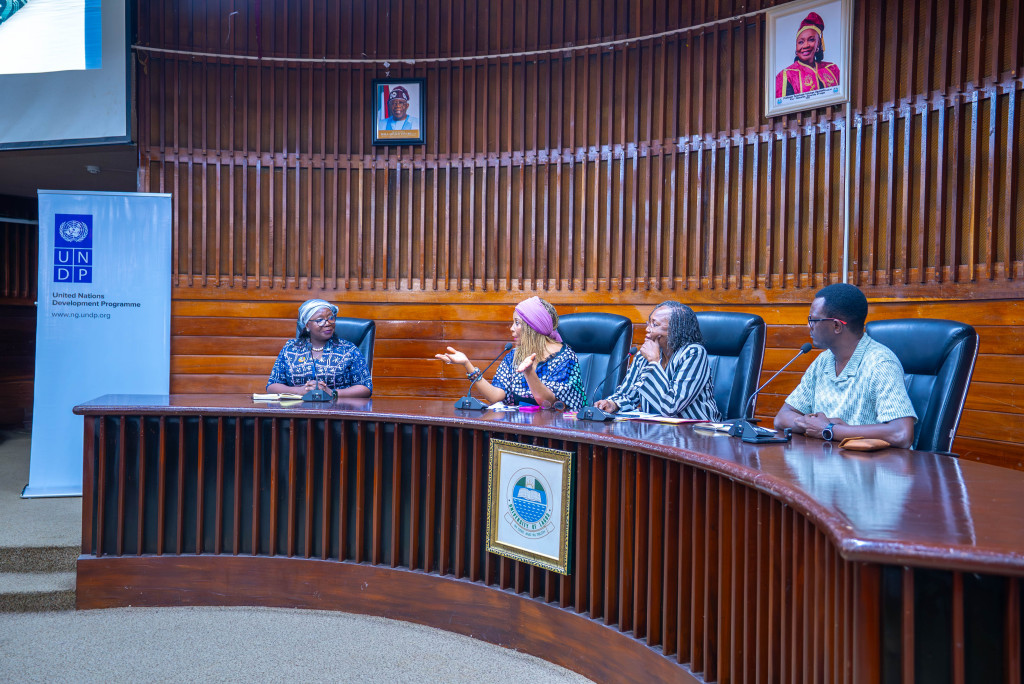
The meeting involved a discussion about the role of artificial intelligence in shaping the future of development in Africa. The participants, including UNDP Nigeria, UNDP Africa, and a Vice Chancellor from the University of Lagos, discussed the potential benefits and risks of AI, including its impact on education, healthcare, and economic development. They also emphasized the need for Africa to own its data and develop its own AI solutions to avoid being left behind in the global digital economy. The conversation ended with a call for action to decolonize African minds and promote a more inclusive and equitable approach to AI development.
African AI Development and Empowerment
The discussion focuses on the importance of African countries developing their own technological solutions and data, rather than relying on foreign technologies. A pharmacy professor shares a success story of a student developing an AI solution for analyzing starch granules, highlighting the potential for local innovation. Another professor emphasizes the need for generating local data to adapt technologies to African contexts. A student argues that Nigeria should actively shape AI development rather than just being affected by it. The speakers stress the importance of Africans becoming creators and collaborators in the AI journey, using it as a tool for empowerment and education.
AI Development in Nigeria Challenges
The discussion covers various aspects of AI development and implementation in Africa, particularly Nigeria. Participants raise concerns about funding, data creation, and curriculum integration. The Vice Chancellor emphasizes that curriculum changes must start at the departmental level, as they are the units of knowledge. Suggestions are made to involve private sector funding, integrate indigenous knowledge, and create African-based data. The need for interdisciplinary collaboration and policy development alongside innovation is also highlighted.
AI Integration in African Education
The discussion focuses on the importance of having clear goals and vision when making decisions, especially regarding financial offers and investments in technology. Ahuna emphasizes the need for more conversations with AI engineers and the importance of government leadership in investing in innovation. He also stresses the significance of collaboration between African universities and the integration of AI into various academic curricula. Ahuna concludes by highlighting the responsibility of the University of Lagos to demonstrate the potential of AI integration in education, serving as an example for other institutions across the continent.
AI’s Role in Africa’s Education
The meeting focused on the importance of artificial intelligence (AI) in Africa’s development, particularly in the education sector. The speakers emphasized the need for Africa to be proactive in adopting AI to avoid being left behind. They highlighted the potential of AI to transform education, including in universities like UNILAG, and the importance of data ownership and curriculum shifts. The speakers also discussed the need for interdisciplinary approaches and the involvement of governance in AI development. The conversation ended with a call to action, urging attendees to take a sense of urgency in shaping the future of Nigeria and Africa.
Nigeria’s AI Potential and Leadership
The panel discusses the potential of Nigeria and its people, highlighting their resilience, work ethic, and hunger for success. They praise the leadership of a brilliant minister and the university’s female leader for their vision and understanding of AI’s social impact. The speakers emphasize the importance of engaging with the public, making an impact despite challenges, and taking responsibility for the country’s future. The discussion concludes with plans for launching various AI initiatives, including a UNDP Human Development report, a university AI hub, and a national AI accelerator, with a call for collective action to position Nigeria as a leader in AI development on the continent.




Leave A Comment